
In a material separation laboratory, the membrane housing is easy to overlook. Everyone talks about the membrane — the chemistry, the rejection rate, the flux. But the housing decides whether those results are trustworthy. It sets the flow path, holds the pressure, keeps the feed sanitary, and makes the difference between a repeatable experiment and a messy one.
This guide explains what an 1812 stainless steel membrane housing is, why stainless steel is the material of choice for bench-scale separation work, and how to choose and run one in a laboratory setting.
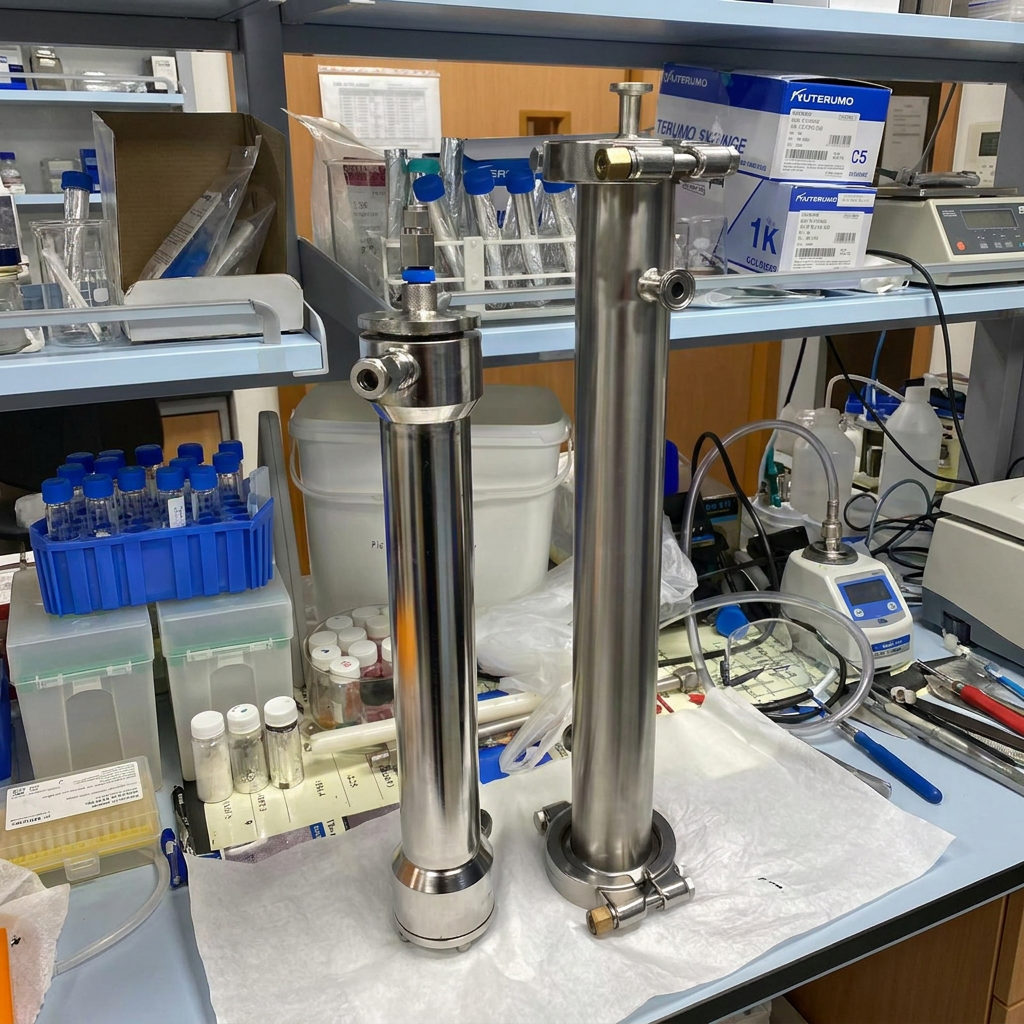
What does “1812” actually mean?
The number is a size code, not a model number. In membrane terminology, 1812 describes the element’s physical envelope:
- 18 → 1.8 inches of nominal outer diameter
- 12 → 12 inches of nominal length
Where a 1812 housing fits in a material separation laboratory
The 1812 format is used across the whole pressure-driven membrane family:

Leave a Comment